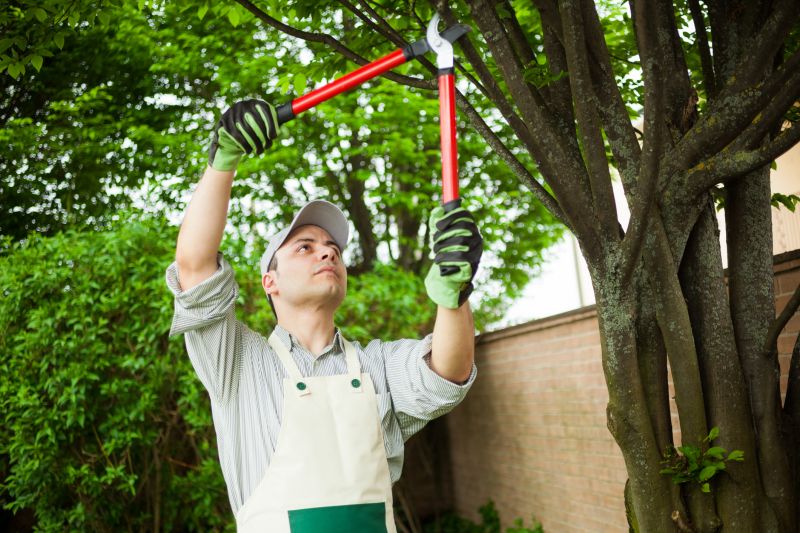
Apple Tree Pruning in Doylestown, PA
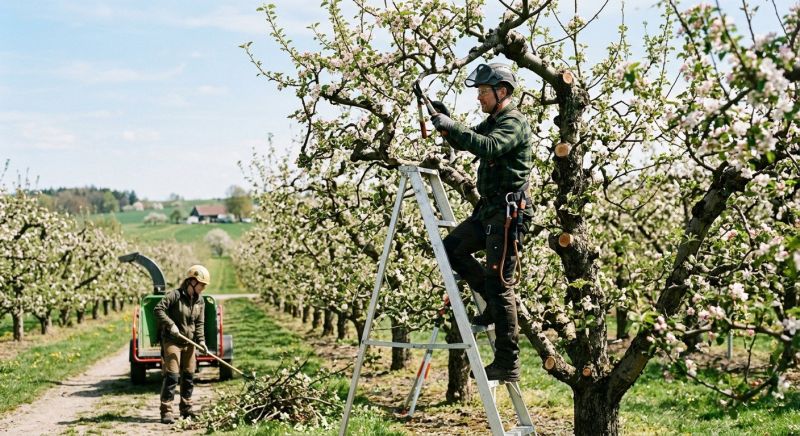
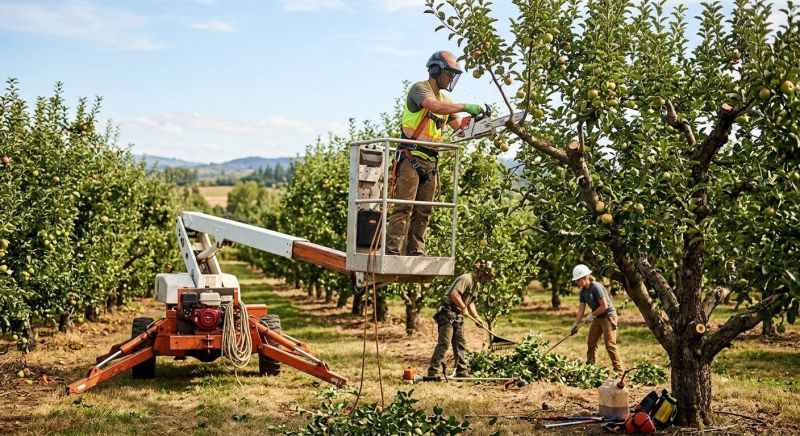
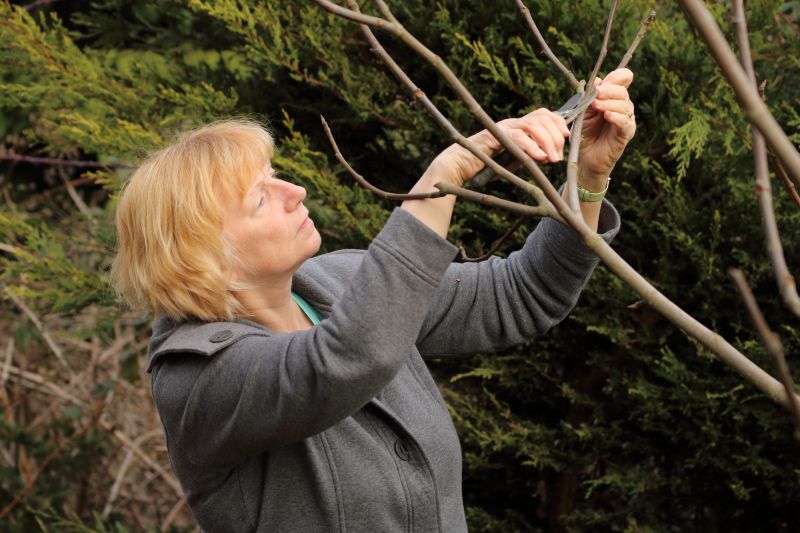
Apple tree pruning services involve carefully trimming and shaping apple trees to promote healthy growth, improve fruit production, and maintain the overall appearance of the tree. This process can include removing dead or diseased branches, thinning out crowded areas, and shaping the canopy to ensure sunlight reaches all parts of the tree. Projects may range from routine maintenance to more extensive pruning needed to address specific concerns such as overgrowth or structural issues, helping to ensure the longevity and productivity of the tree.
Property owners considering apple tree pruning should understand the importance of proper timing and technique to avoid damaging the tree or reducing fruit yield. It’s helpful to know the specific needs of apple trees at different stages of growth and how pruning can influence fruit quality. When requesting these services, homeowners often want clarity on what the process entails, how it can benefit their trees, and any considerations for maintaining the health and aesthetics of their orchard or landscape.
Many property owners in Doylestown, PA look into Apple Tree Pruning for repairs, replacements, upgrades, and appearance-related improvements.
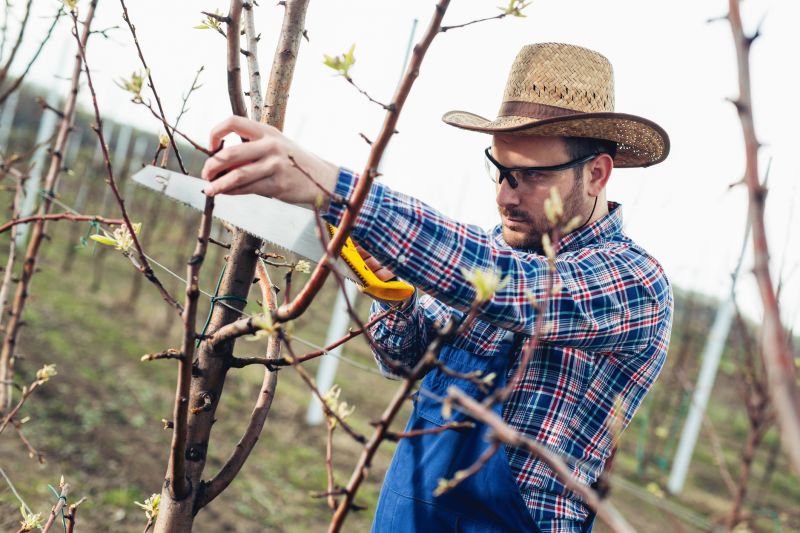
Tree Health And Growth
Proper pruning encourages healthy growth and maintains the tree's structural integrity.
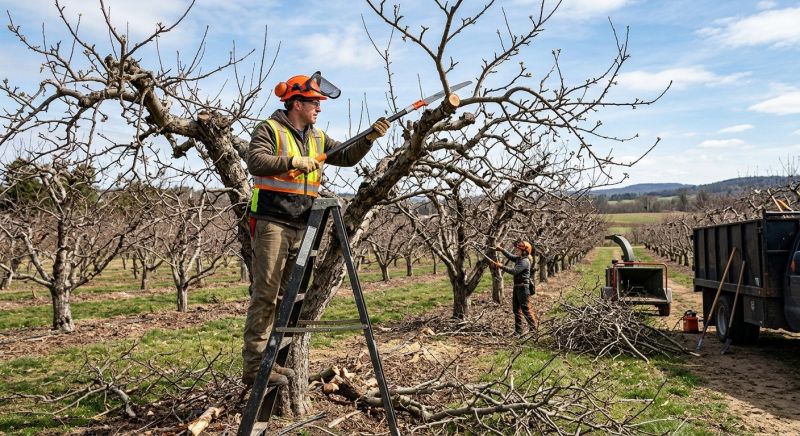
Safety And Clearance
Pruning removes hazardous branches and creates clearance around buildings and power lines.
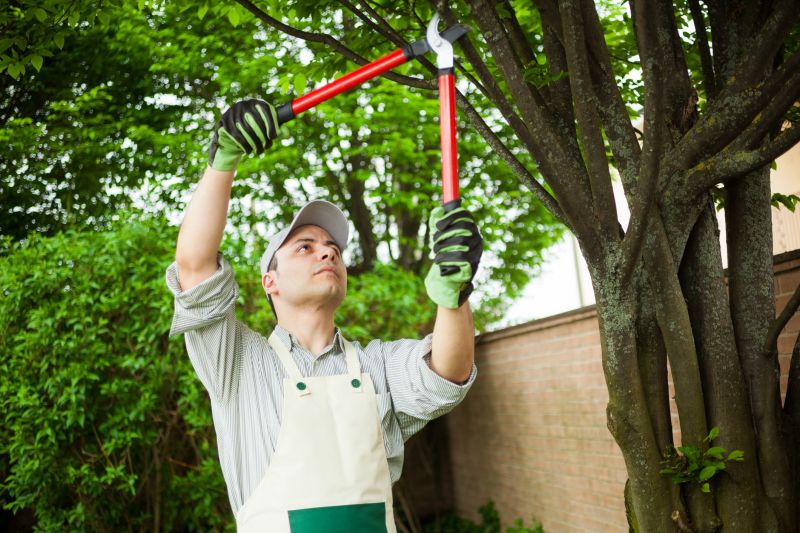
Aesthetic Enhancement
Selective trimming enhances the natural shape and beauty of trees in residential landscapes.
Apple Tree Pruning in Doylestown, PA

Apple tree pruning services involve carefully trimming and shaping apple trees to promote healthy growth, improve fruit production, and maintain the overall appearance of the tree. This process can include removing dead or diseased branches, thinning out crowded areas, and shaping the canopy to ensure sunlight reaches all parts of the tree. Projects may range from routine maintenance to more extensive pruning needed to address specific concerns such as overgrowth or structural issues, helping to ensure the longevity and productivity of the tree.
Property owners considering apple tree pruning should understand the importance of proper timing and technique to avoid damaging the tree or reducing fruit yield. It’s helpful to know the specific needs of apple trees at different stages of growth and how pruning can influence fruit quality. When requesting these services, homeowners often want clarity on what the process entails, how it can benefit their trees, and any considerations for maintaining the health and aesthetics of their orchard or landscape.
Many property owners in Doylestown, PA look into Apple Tree Pruning for repairs, replacements, upgrades, and appearance-related improvements.
Common Apple Tree Pruning Jobs
Apple Tree Pruning - selective trimming to promote healthy growth and fruit production.
Structural Pruning - shaping trees to improve stability and reduce risk of damage.
Deadwooding - removal of dead or diseased branches to prevent decay and pests.
Thinning - reducing canopy density for better sunlight penetration and air circulation.
Crown Raising - lifting lower branches to clear walkways, driveways, and structures.
Formative Pruning - shaping young trees to establish a strong, balanced structure.
Apple Tree Pruning Questions
What is apple tree pruning? Apple tree pruning involves removing certain branches to promote healthy growth, improve fruit production, and maintain the tree's shape.
When is the best time to prune apple trees? The ideal time to prune apple trees is during late winter or early spring before new growth begins.
Why should property owners consider pruning apple trees? Proper pruning helps increase fruit yield, reduces disease risk, and keeps the tree balanced and safe.
What types of pruning are common for apple trees? Thinning, heading back, and structural pruning are typical methods used to shape and support healthy growth.
Request Apple Tree Pruning in Doylestown, PA
Use the quote form on this page to share the basics of your project and request more information for the type of work you need.