Canopy Pruning in San Jose, CA
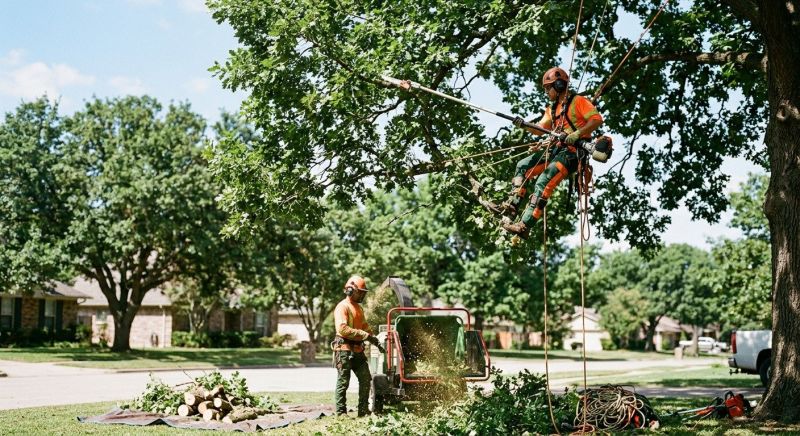
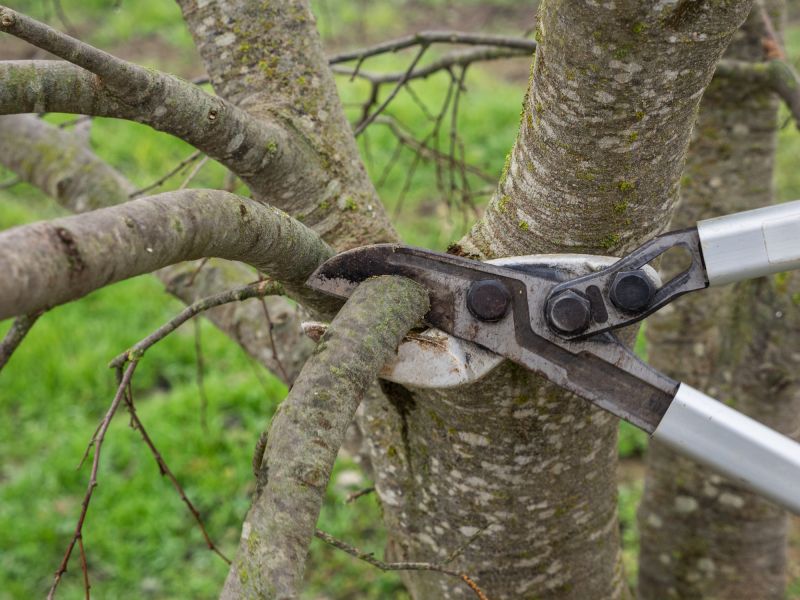
Canopy pruning services involve carefully trimming and shaping the upper branches of trees to promote healthy growth, improve safety, and enhance the overall appearance of a property. This type of pruning is often requested for trees that have overgrown, have dead or diseased branches, or pose a risk to nearby structures or power lines. Property owners typically seek canopy pruning to maintain the safety of their landscape, prevent storm damage, and ensure that their trees do not interfere with utility lines or obstruct views.
Before requesting canopy pruning, homeowners should consider the specific needs of their trees, including the type of species, age, and overall health. It is also helpful to understand the desired outcome, whether that is a more balanced shape, removal of problematic branches, or clearance for sunlight and views. Proper planning and understanding of the tree’s growth patterns can help ensure that pruning is performed effectively, supporting the long-term health and safety of the trees on the property.
Many property owners in San Jose, CA look into Canopy Pruning for repairs, replacements, upgrades, and appearance-related improvements.
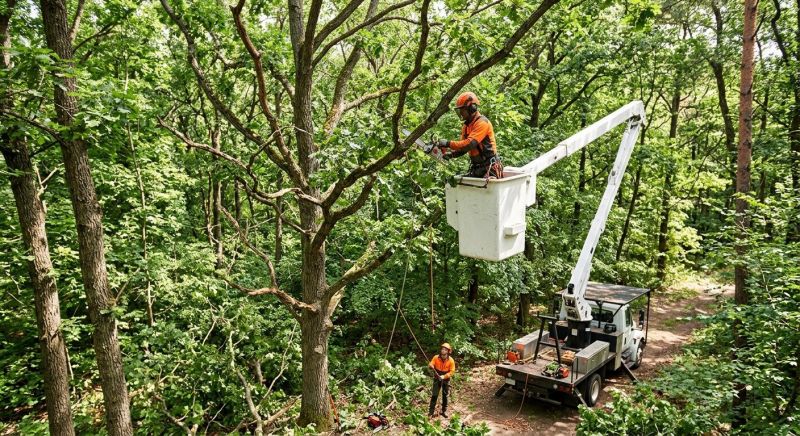
Canopy Shape And Structure
Pruning helps maintain a balanced and attractive canopy shape for healthier growth.
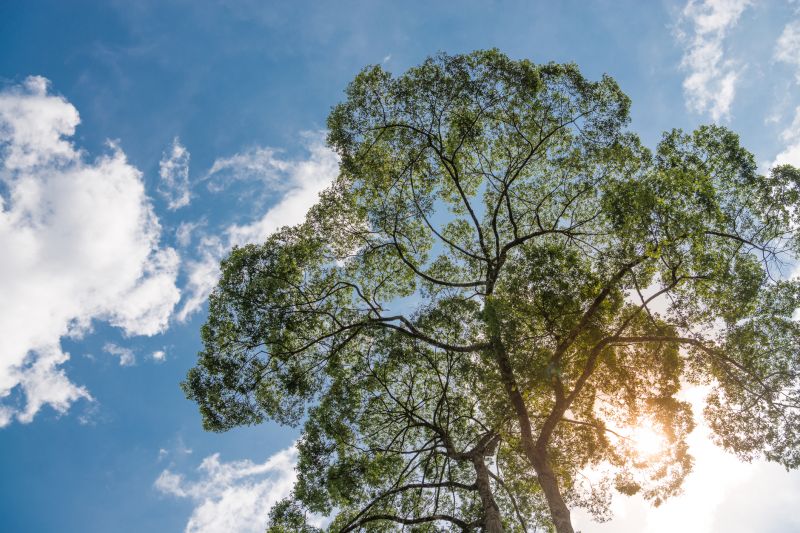
Safety And Clearance
Removing overgrown or dead branches reduces hazards and improves clearance around property.
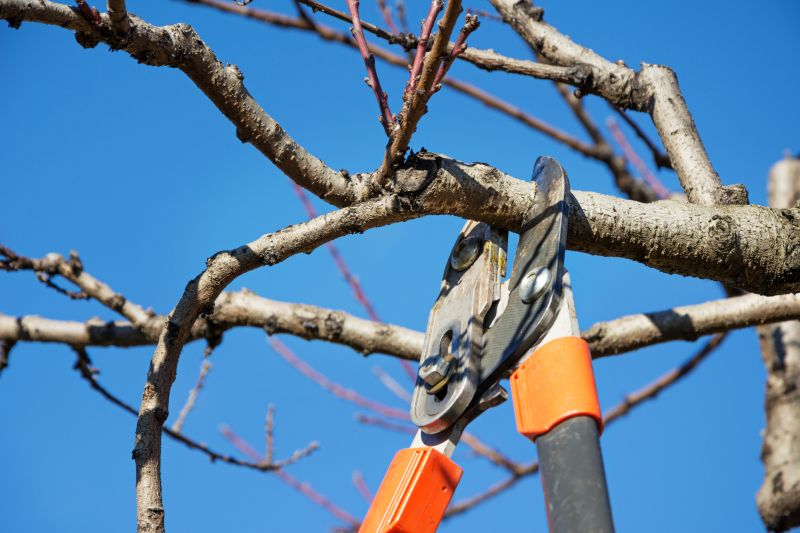
Tree Health And Longevity
Proper canopy pruning supports overall tree health and extends the lifespan of mature trees in san jose neighborhoods.
Canopy Pruning in San Jose, CA
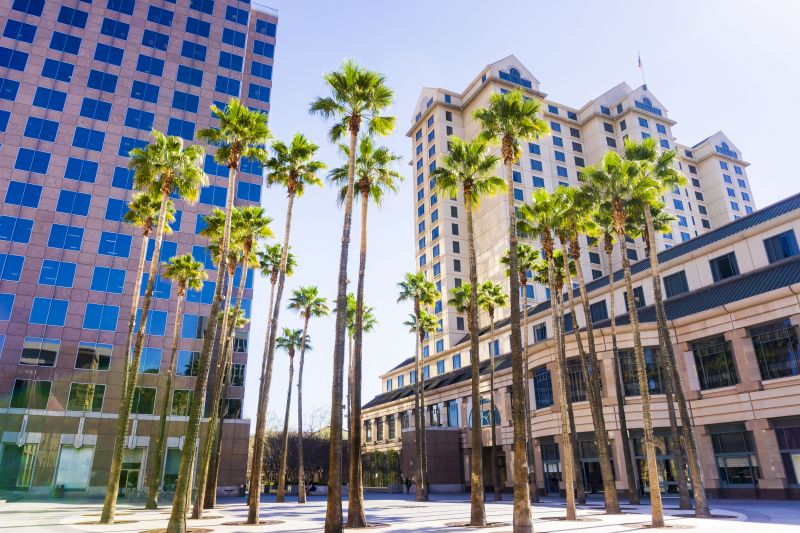
Canopy pruning services involve carefully trimming and shaping the upper branches of trees to promote healthy growth, improve safety, and enhance the overall appearance of a property. This type of pruning is often requested for trees that have overgrown, have dead or diseased branches, or pose a risk to nearby structures or power lines. Property owners typically seek canopy pruning to maintain the safety of their landscape, prevent storm damage, and ensure that their trees do not interfere with utility lines or obstruct views.
Before requesting canopy pruning, homeowners should consider the specific needs of their trees, including the type of species, age, and overall health. It is also helpful to understand the desired outcome, whether that is a more balanced shape, removal of problematic branches, or clearance for sunlight and views. Proper planning and understanding of the tree’s growth patterns can help ensure that pruning is performed effectively, supporting the long-term health and safety of the trees on the property.
Many property owners in San Jose, CA look into Canopy Pruning for repairs, replacements, upgrades, and appearance-related improvements.
Common Canopy Pruning Jobs
Canopy Pruning - selective trimming to improve tree structure and health.
Tree Crown Thinning - removing interior branches to increase sunlight and airflow.
Structural Pruning - shaping branches to prevent breakage and promote stability.
Deadwood Removal - eliminating damaged or diseased limbs to reduce risk.
Height Reduction - reducing canopy height for safety and clearance purposes.
Formative Pruning - shaping young trees to establish a strong, balanced structure.
Canopy Pruning Questions
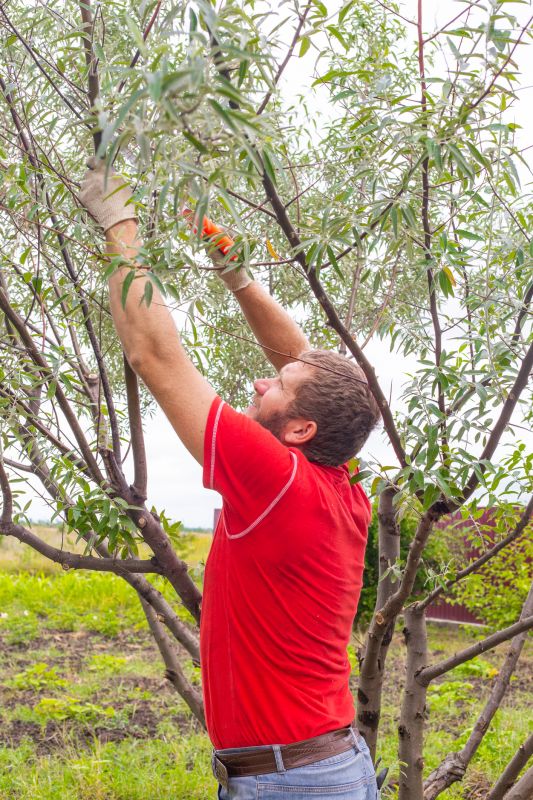
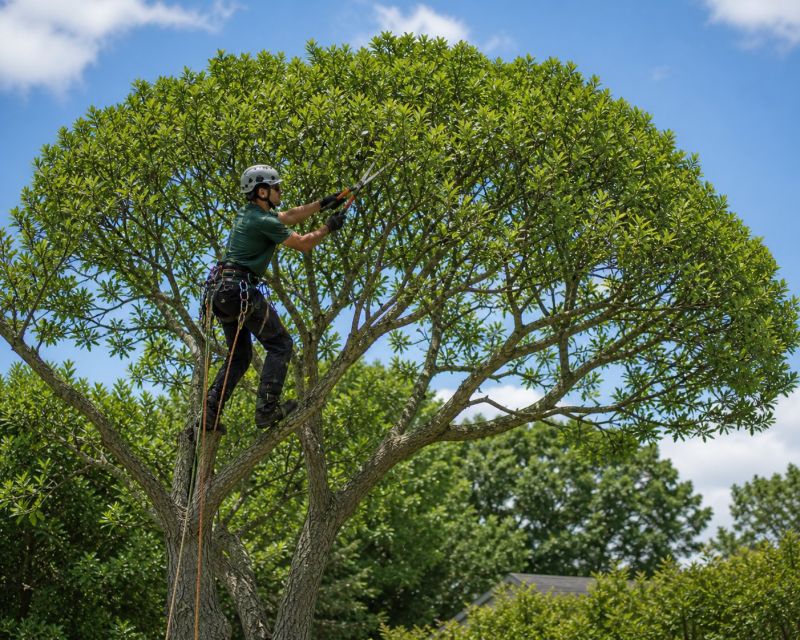
What is canopy pruning? Canopy pruning involves trimming the upper branches of a tree to improve its structure and health, often enhancing light exposure and airflow.
Why should property owners consider canopy pruning? It helps maintain the tree’s shape, reduces the risk of falling branches, and promotes overall tree vitality and safety.
What types of trees benefit from canopy pruning? Most deciduous and evergreen trees, especially those with dense or overgrown canopies, can benefit from this service.
When is the best time for canopy pruning? The optimal time is typically during the tree’s dormant season or after flowering, depending on the species and local conditions.
Request Canopy Pruning in San Jose, CA
Use the quote form on this page to share the basics of your project and request more information for the type of work you need.